Traditional vs Infrared Sauna: Differences, Heat & Which to Build
Traditional vs infrared sauna compared side by side — how each heats, temperatures, power and ventilation needs, installation and which suits your home build.
Traditional vs Infrared Sauna: Differences, Heat & Which to Build
Choosing between a traditional sauna and an infrared sauna is one of the first decisions our clients face when planning a home wellness space. Both deliver real benefits, but they work in fundamentally different ways — and the right choice depends on how you want to use it, where it will live, and what you want to feel.
Quick Answer: What's the Difference?
A traditional sauna heats the air (80–100°C) with a stove and hot stones you can pour water on for steam. An infrared sauna uses panels that warm your body directly at a lower air temperature (45–60°C), with no steam. Traditional saunas feel hotter and more intense and suit two or more people; infrared cabins are simpler to install and suit one person in a small space.
How Each One Heats You
Traditional saunas
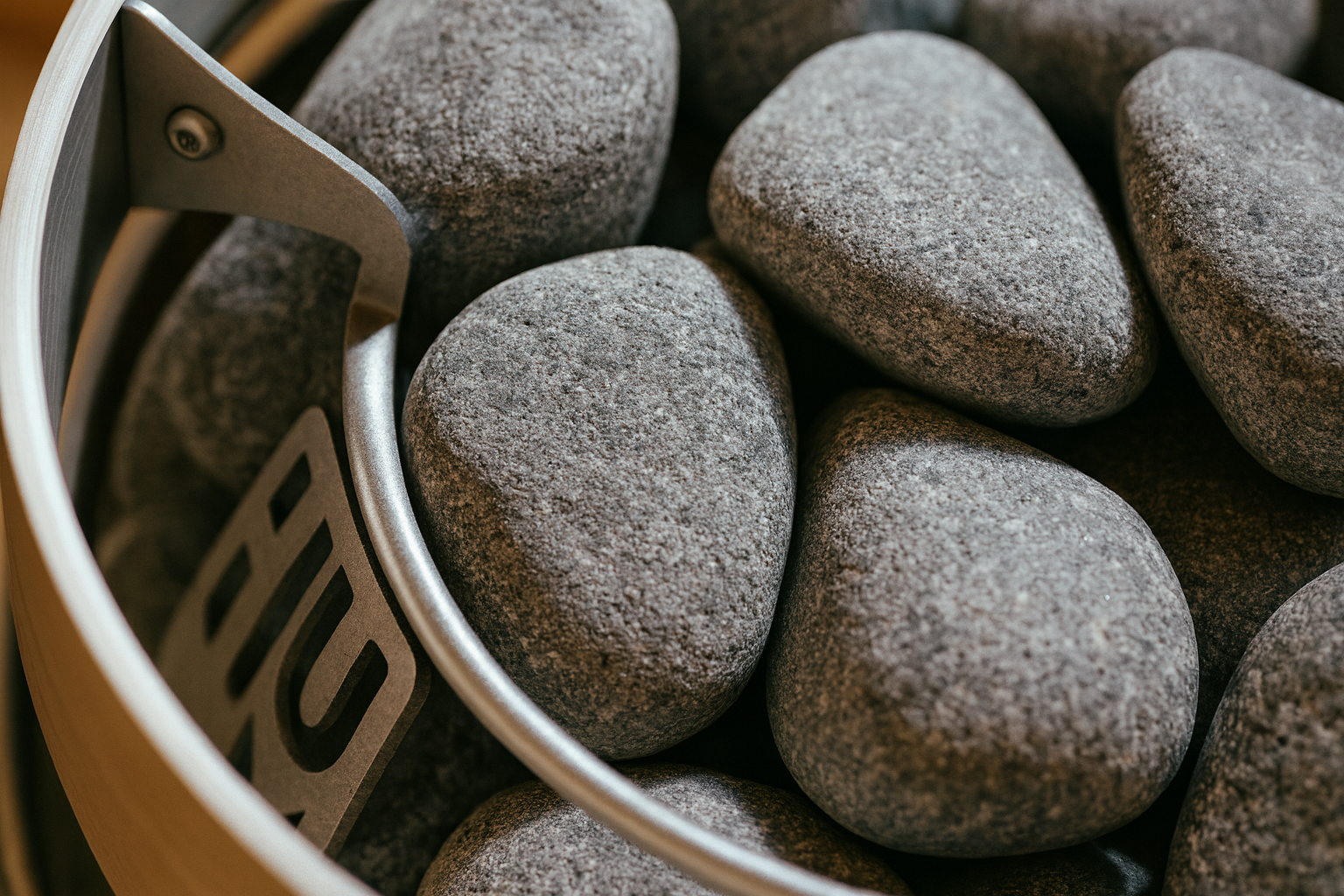
A traditional sauna heats the air. Stones sit on top of an electric or wood-fired heater (we use HUUM), reaching 80–100°C. Pouring water over the stones releases löyly — the burst of steam that defines the authentic Finnish experience. Your body warms because the surrounding air and radiant heat from the stones warm it.
Infrared saunas
An infrared sauna uses infrared panels to emit radiant heat that warms your body directly, without heating the air significantly. Cabin temperatures typically sit between 45–60°C. There's no steam, no stones, and no ritual of tending the heat.
Health Benefits — Side by Side
| Benefit | Traditional | Infrared |
|---|---|---|
| Deep sweating | Yes, intense | Yes, at lower air temps |
| Cardiovascular load | Higher — mimics moderate exercise | Moderate |
| Muscle recovery | Excellent | Excellent |
| Löyly / steam ritual | Yes | No |
| Session length | 10–20 min | 30–45 min |
| Warm-up time | 30–45 min | 10–15 min |
| Social / multi-person use | Excellent | Limited (narrow cabins) |
Both have strong published evidence for cardiovascular health, recovery and stress reduction. Traditional saunas — because of the higher heat and steam — deliver a more intense session in less time and are the format used in most of the long-term Finnish studies people cite.
Installation Requirements
Traditional
Infrared
Infrared wins on ease of installation. Traditional wins on longevity, feel, and the ritual — but it needs to be built properly.
Which One Should You Choose?
Choose traditional if you want:
Choose infrared if you want:
For most of the wellness homes we build across the Sunshine Coast, Gold Coast and Brisbane, clients choose traditional — usually paired with a cold plunge or ice bath for contrast therapy. It's the format that gets used daily, year after year.
Buying an Infrared Sauna? What to Check First
If you're leaning towards infrared, a few questions are worth asking before you buy:
Building a Sauna in a Queensland Home
Our climate changes how a sauna should be built. Humidity, summer storms and coastal salt air all affect timber, fixings and electrical work, so these details matter:
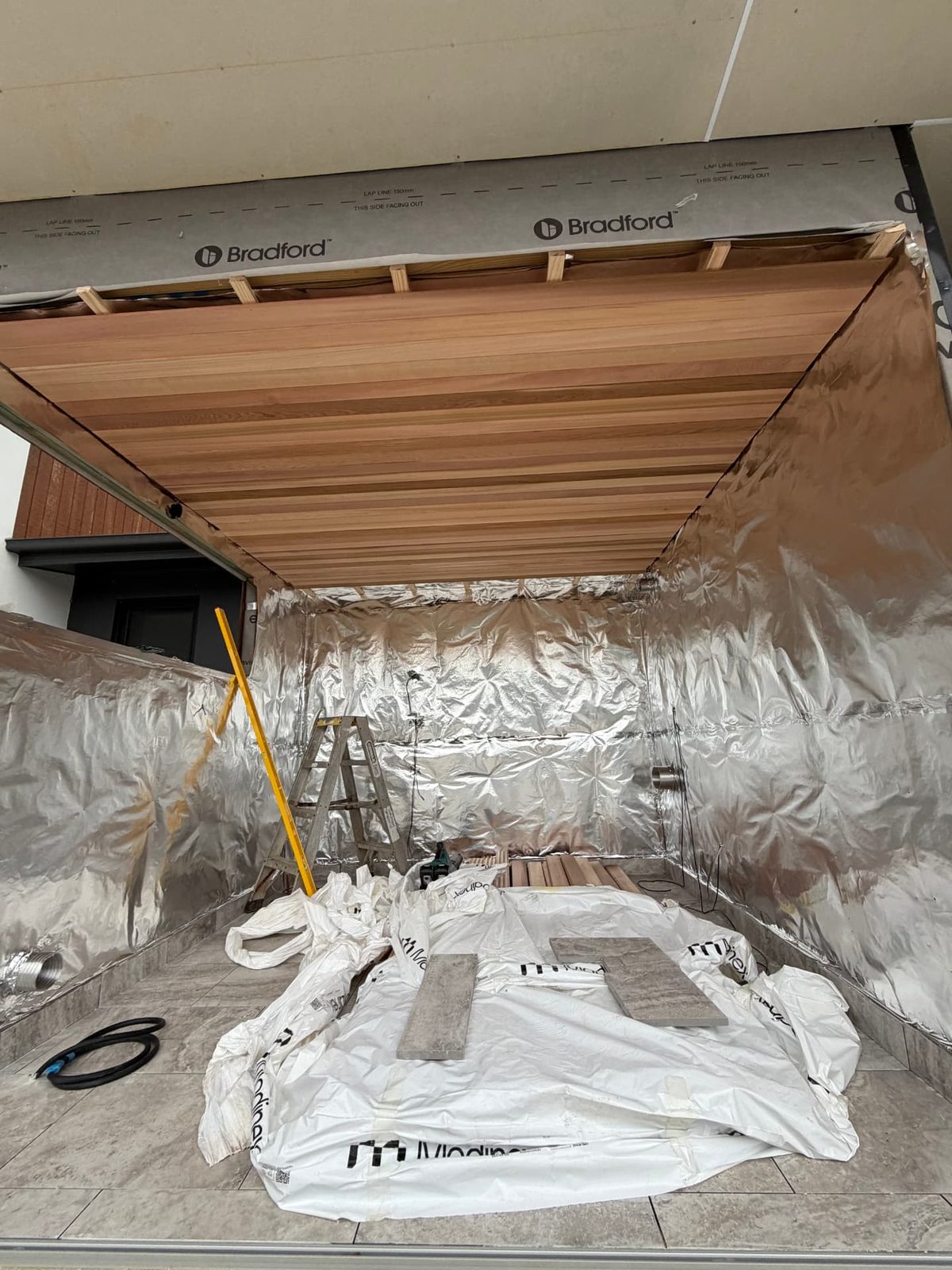
Getting these right during the build is what makes a sauna last. It's also why we treat a sauna as a building project, not a product delivery. Read more about the licence needed to build a sauna in Queensland.
Frequently Asked Questions
Is an infrared sauna the same as a normal sauna?
No. A normal (traditional) sauna heats the air with a stove and stones. An infrared sauna warms your body directly with panels and runs at a lower air temperature, without steam.
Which is hotter?
A traditional sauna. It usually runs at 80–100°C, compared with about 45–60°C for an infrared cabin.
Which is easier to install?
Infrared, in most cases. A traditional sauna needs proper ventilation, moisture control and electrical work, which is why it should be built by a licensed builder.
Can you add a cold plunge or ice bath?
Yes. Many of our clients pair a traditional sauna with an in-built cold plunge or ice bath for contrast therapy. See our sauna builder services.
Our Approach
We design and build custom traditional saunas using HUUM heaters and Modinex zero-waste timber, finished with low-toxin sealants. Every sauna is tailored to the home, the site, and how the family plans to use it — indoor, outdoor, or integrated into a larger wellness pavilion.
If you're weighing up traditional vs. infrared for your own home, get in touch — we'll talk through your space, your goals, and which format will actually get used.
AWBC Team
Architect & Writer